I Process Coffee into Wisdom: A Designer’s Review
As an embroidery designer who has spent countless hours digitizing and stitching thousands of designs, I have learned to look past the initial visual appeal of a graphic. I look for structural integrity, stitch flow, and how a design translates from a digital screen to textured fabric. When I first encountered I Process Coffee into Wisdom, my immediate reaction was one of appreciation for its thematic clarity. It is a witty, relatable nod to the educator’s daily reality, but from a technical standpoint, it required a closer look to determine its viability for real-world production.
This piece falls under the category of T-Shirt Designs and Graphics, but its application extends far beyond a standard cotton tee. For small business owners, Etsy sellers, and craft entrepreneurs, understanding how this specific artwork behaves under the needle is crucial. It is not just about buying a digital embroidery file; it is about ensuring the finished product reflects the quality your brand promises.
First Impressions and Visual Personality
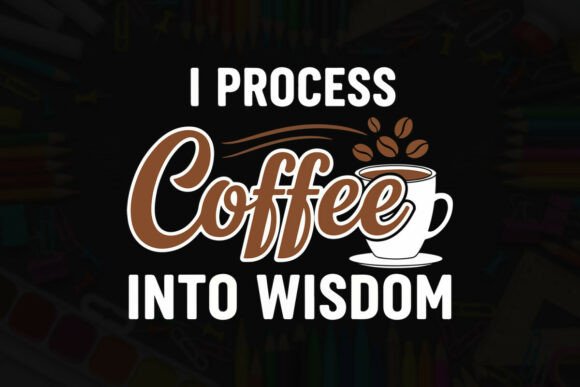
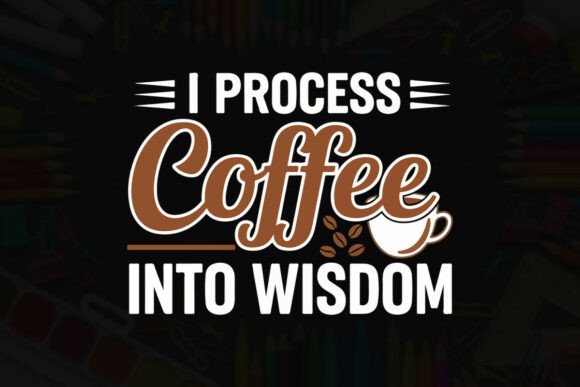
The mood of I Process Coffee into Wisdom is bold yet heartfelt. It captures the essence of teaching—transforming caffeine into knowledge—with a playful confidence. Visually, the layout appears balanced, combining typographic elements with iconic imagery. For embroidery, this combination presents both opportunities and challenges. The text needs to remain legible at various sizes, while the graphical elements must avoid becoming too dense or too sparse.
In my initial assessment, the design feels native to casual, everyday wear. It does not scream "formal occasion," which makes it perfect for custom apparel meant for comfort and identity. Whether it is for a teacher’s lounge sweatshirt or a personalized gift for a mentor, the visual personality is approachable. However, the success of this design relies heavily on execution. A poor digitization job could turn those witty words into a tangled mess of thread, ruining the humor and the aesthetic.
Real-World Application: The Tote Bag Test
To truly evaluate this design, I imagined a common scenario for many handmade shop owners: creating a sturdy, canvas tote bag for a local school fundraiser. Canvas is a fantastic medium for embroidery because it provides a stable base that supports heavier stitch counts without puckering. I envisioned placing I Process Coffee into Wisdom centrally on the bag.
In this context, the design shines. The bold lines of the graphics would stand out against the neutral weave of the canvas. Using a satin stitch for the border elements and a fill stitch for any solid shapes would create a nice tactile contrast. The thread colors chosen here are critical. A dark chocolate brown for the coffee elements paired with a crisp white or cream for the text would offer high contrast, ensuring readability from a distance. This kind of visibility is essential for retail products or promotional items where quick visual recognition matters.
However, if you were to shrink this design down for a baby embroidery project, such as a onesie, you would need to be cautious. Tiny lettering can easily become illegible if the stitch density is too high or if the fabric stretches. For smaller applications, I would recommend simplifying the design or increasing the overall size to maintain clarity. Always test the design on scrap fabric first, especially when working with stretchy materials like jersey knits.
Navigating Fabric and Hoop Constraints
One of the most important aspects of using any machine embroidery design is understanding its limitations regarding hoop size and fabric texture. I Process Coffee into Wisdom likely requires a medium to large hoop, depending on the original dimensions provided in the digital embroidery file. Before purchasing, verify the available sizes. If the design is only available in a 5x7 inch format, it may not fit comfortably on a standard cap without significant resizing, which can distort proportions.
Curved surfaces like caps present another challenge. The front panel of a hat is narrow and curved. Placing a wide, horizontal design like this on a cap requires careful centering and potentially breaking the design into smaller sections if it exceeds the usable area. Additionally, the fabric texture plays a huge role. On textured fabrics like terry cloth towels or fluffy fleece, fine details can get lost. In such cases, using a stabilizer is non-negotiable. A cut-away stabilizer provides lasting support for garments that will be washed frequently, while a tear-away might suffice for decorative items that see less wear.
Dark fabrics also require strategic planning. If you are stitching this on a navy blue sweatshirt, you cannot rely on light thread alone to cover the background. You may need to use an underlay stitch effectively or choose thread colors that pop against the dark background. Testing the design in black and white mockups can help you visualize contrast issues before you even thread your machine.
Commercial Viability and Brand Consistency
For commercial embroidery projects, consistency is key. If you are an Etsy seller or run a small boutique, your customers expect a certain level of professionalism. I Process Coffee into Wisdom has the potential to be a bestseller because it taps into a universal experience among educators. But to maintain brand consistency, every stitched item must look pristine.
Check the stitch density of the file. Overly dense designs can cause fabric puckering and break needles, leading to wasted materials and time. Conversely, a design that is too sparse may look cheap and unfinished. Inspect small details closely. Are there tiny jumps or loose threads in the preview? These are red flags. A well-digitized design will have clean pathing, minimizing thread trims and jump stitches.
When creating printable mockups for your online store, ensure that the digital representation matches the physical reality. Misleading images can lead to customer dissatisfaction. Use high-quality photos of the actual embroidered patch or garment to build trust. Show the texture of the thread, the sheen of the satin stitch, and the stability of the fabric. This transparency enhances buyer engagement and reduces return rates.
Practical Notes for the Embroidery Designer
Before you commit to producing a batch of these items, take a moment to review the technical specifications. Since the product description mentions it is crafted to honor teachers, ensure the tone of your marketing aligns with this sentiment. Here are a few final tips for integrating this design into your workflow:
- Verify Licensing: Confirm whether the digital embroidery file allows for commercial use. Some designers restrict the number of finished products you can sell.
- Thread Color Matching: Create a color chart for your most popular thread brands. This ensures that the "coffee" brown looks consistent across different batches.
- Stabilizer Selection: Match the stabilizer to the fabric weight. Lightweight fabrics need lightweight stabilizers to prevent stiffness.
- Wash Testing: Always wash a test piece to check for thread bleeding or fabric distortion. This is vital for items like kitchen towels or baby clothes that undergo frequent laundering.
- Customer Feedback: If you sell this as a personalized gift option, ask customers for feedback on placement and size. Their insights can help you refine your offerings.
In conclusion, I Process Coffee into Wisdom is a strong contender for your design assets library. It combines emotional resonance with visual appeal, making it suitable for a wide range of embroidery projects. By paying attention to the technical details—hoop size, stitch density, fabric choice, and stabilizer use—you can transform this graphic into a high-quality finished product that honors the passion and dedication of educators. Whether you are creating holiday embroidery gifts, boutique branding items, or custom apparel, this design offers a blend of humor and respect that resonates with its audience. Just remember, the difference between a good product and a great one lies in the precision of your execution.