Okay to Make Mistakes: Self-Care Graphics for T-Shirt Designs
As a graphic designer who has spent over a decade refining brand identities and preparing files for print-on-demand clients, I have learned that the most successful assets are not always the most complex. Sometimes, the power lies in the message and its emotional resonance. Recently, I had the opportunity to review Okay to Make Mistakes Self-Care Art for a potential client project involving a boutique educational supply brand. The brief was specific: create a line of merchandise that supports teacher well-being while maintaining a polished, professional aesthetic. This asset immediately stood out during our initial mood board phase, offering a blend of compassion and modern design sensibility that is often missing in standard clipart libraries.
First Impressions and Visual Mood
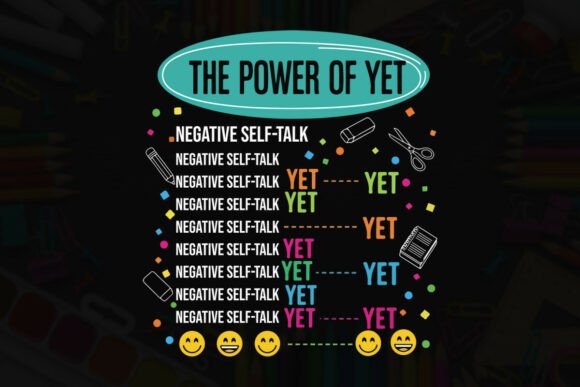
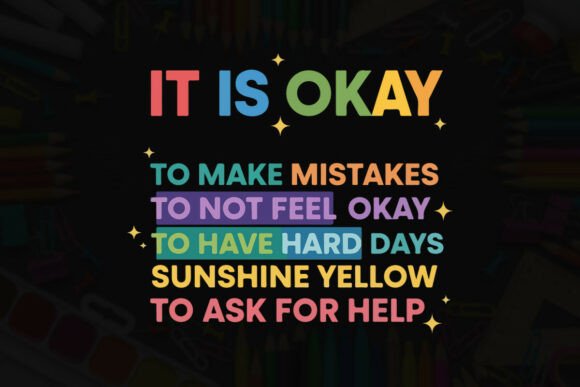
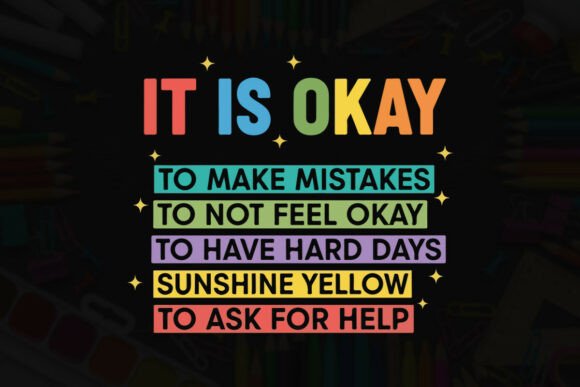
The first thing that strikes you about Okay to Make Mistakes Self-Care Art is its gentle authority. It does not scream for attention with neon colors or chaotic lines; instead, it invites the viewer into a space of calm acceptance. For designers working on projects related to mental health, education, or personal growth, this visual tone is invaluable. The artwork captures the essence of self-compassion, making it an ideal candidate for brands that want to humanize their messaging. When I placed it against a neutral background, the typography and illustrative elements balanced each other perfectly, creating a focal point that feels both intentional and organic.
This piece is not just a static image; it is a narrative tool. It speaks to the pressure many professionals feel to be perfect and offers a visual exhale. For a client looking to build trust and emotional connection with their audience, this type of graphic design asset serves as a bridge between the brand and the consumer. It transforms a simple product into a statement of values.
Versatility in Real-World Design Applications
In my practice, I evaluate every asset based on its versatility. Can it survive the transition from a digital screen to a physical product? Does it hold up in various layouts? Okay to Make Mistakes Self-Care Art demonstrates remarkable flexibility across multiple mediums. Here is how I envision it performing in real client scenarios:
- T-Shirt Designs and Apparel: This is perhaps the most natural fit. The composition works beautifully on chest prints or full-back designs. Whether used for sublimation printing on polyester blends or direct-to-garment printing on cotton, the lines remain crisp. It aligns perfectly with the growing market for mindful apparel, where customers seek clothing that reflects their internal state.
- Printable Design and Wall Art: For clients selling digital downloads on Etsy, this asset can be scaled for high-resolution prints. It fits seamlessly into gallery wall collections focused on office decor or classroom inspiration. The message reinforces a positive environment, making it a strong seller for teachers and remote workers alike.
- Social Media Graphics: In the realm of Instagram posts and Pinterest pins, this illustration acts as a powerful stopper. It encourages engagement because it relates to a universal experience. Designers can use it as a background element or a central hero graphic, pairing it with short, supportive captions to boost community interaction.
- Packaging Design and Stickers: Small business branding often relies on the unboxing experience. Using this art on thank-you cards, tissue paper seals, or sticker sheets adds a layer of thoughtfulness. It tells the customer that the brand cares about their well-being, not just their purchase.
Strategic Placement and Visual Hierarchy
Understanding where to place an asset is just as important as choosing the right one. Okay to Make Mistakes Self-Care Art thrives in large layout areas where it has room to breathe. It works best as a hero graphic on landing pages or as the primary focus on product mockups. When used in marketing visuals, it should be given prominence to allow the message to land effectively. Crowding this design with too many other elements dilutes its impact. I recommend using ample white space around the illustration to enhance its calming effect.
However, there are contexts where this asset should be used with caution. It may not be suitable for minimalist corporate branding that requires strict geometric precision or for projects with very low-contrast requirements. Additionally, if the background is too busy or textured, the details of the SVG design or PNG design might get lost. Designers must ensure that the contrast between the art and the background remains high enough to maintain readability and visual clarity.
Technical Considerations for Professional Use
Before integrating any new element into a client deliverable, I run through a rigorous checklist. Here are my practical notes for working with Okay to Make Mistakes Self-Care Art:
- File Format Inspection: Always check if you are working with a vector file like an SVG design or a raster image like a PNG design. Vector formats are preferable for scaling across different sizes, from small stickers to large banners, without losing quality. If using PNG, ensure the transparency is clean and free of jagged edges.
- Contrast Testing: Test the asset on both light and dark backgrounds. Self-care themes often use soft palettes, so ensuring legibility on darker fabrics or backgrounds is crucial. You may need to adjust opacity or add a subtle outline to maintain visibility.
- Typography Pairing: Since this asset likely includes typographic elements, consider how it interacts with other fonts in your layout. It pairs well with clean sans serif fonts for a modern look or handwritten fonts for a more personal touch. Avoid overly decorative display fonts that might compete with the main message.
- Commercial Licensing: Never assume usage rights. Confirm that the commercial license covers your specific client needs, especially if you are creating products for sale on platforms like Amazon Merch, Redbubble, or your own Shopify store. Protecting your client from legal issues is part of your job as a designer.
- Mockup Validation: Always preview the design on real product mockups. A design that looks great on a white canvas might behave differently on a heather grey t-shirt or a ceramic mug. This step helps identify any potential issues with color saturation or detail loss before final production.
Enhancing Brand Identity and Emotional Appeal
In today’s saturated creative marketplace, brands need to stand out by connecting on an emotional level. Okay to Make Mistakes Self-Care Art contributes to small business branding by adding a layer of authenticity and empathy. It signals that the brand understands the struggles of its audience. For educators, this is particularly potent. Celebrating the passion, dedication, and impact of educators with this bold yet heartfelt Teacher T-shirt design creates a sense of community and validation.
When used consistently across brand identity touchpoints, from website graphics to email headers, this asset helps build visual trust. It makes the brand feel approachable and supportive. For content creators and bloggers, incorporating this illustration into editorial design pieces can increase dwell time and shareability, as readers resonate with the message of permission to be imperfect.
Final Verdict for Designers
After thorough evaluation, I find Okay to Make Mistakes Self-Care Art to be a robust addition to any designer’s toolkit. It is more than just a pretty picture; it is a strategic tool for communication. Whether you are working on a Cricut project for a local craft fair, designing a Canva template for social media managers, or creating a full design bundle for a print-on-demand store, this asset delivers quality and meaning. It respects the intelligence of the viewer and the professionalism of the designer. By integrating this piece thoughtfully, you can elevate your projects from mere commodities to meaningful experiences. For those seeking to infuse their work with warmth and relevance, this graphic is a worthy investment.