Open Book Graphics for T-Shirt Designs
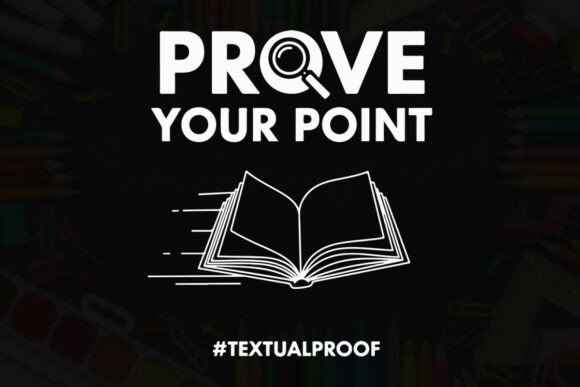
As a digital publisher who has spent over a decade refining the visual identity of high-traffic blogs and educational platforms, I have learned that every graphic design asset we introduce to our workflow must earn its place. It is not enough for an image to be merely pretty; it must communicate intent, support the narrative, and enhance the user experience. Recently, I integrated Prove Your Point with Open Book into my content library, and the results have been surprisingly impactful for specific editorial niches. This review explores how this asset functions not just as art, but as a strategic tool for modern web design and content marketing.
First Impressions: Editorial Mood and Visual Tone
When I first loaded Prove Your Point with Open Book into my design workspace, the immediate impression was one of intellectual warmth. The design strikes a delicate balance between professional authority and approachable creativity. It does not scream for attention with chaotic colors or aggressive lines; instead, it invites the viewer in with a sense of curated knowledge. For publishers targeting the education sector, this visual cue is invaluable. It signals to the reader that the accompanying content is well-researched, thoughtful, and grounded in expertise.
The aesthetic leans heavily into a modern, clean style that feels both timeless and current. It avoids the clutter often found in generic stock imagery, offering a streamlined look that complements rather than competes with headline text. This makes it an ideal candidate for editorial design where clarity is paramount. Whether you are running a lifestyle blog focused on home schooling or a professional development site for educators, this asset creates a mood of dedicated passion. It honors the spirit of those who guide and shape minds, translating that sentiment into a visual language that resonates with teachers, parents, and lifelong learners.
Strategic Applications in Content Publishing
The versatility of Prove Your Point with Open Book extends far beyond its origins in T-Shirt Designs. While it serves beautifully as merchandise artwork, its true power for a digital publisher lies in its adaptability across various content formats. Here is how I have successfully deployed this asset in real-world publishing scenarios:
- Blog Featured Images: The composition provides excellent negative space, allowing for overlay text without sacrificing readability. It acts as a strong anchor for articles about teaching strategies, book reviews, or educational technology.
- Pinterest Pins: Vertical adaptations of this graphic perform exceptionally well on visual discovery engines. The bold yet heartfelt nature of the design stops the scroll, encouraging clicks through to the website.
- Newsletter Headers: Using this asset in email campaigns adds a layer of professionalism. It helps segment content effectively, signaling to subscribers that the following information is premium and curated.
- Digital Guides and eBooks: As a cover element or chapter divider, the open book motif reinforces the theme of learning. It elevates the perceived value of downloadable resources and lead magnets.
- Social Media Graphics: When paired with inspirational quotes or quick tips, the design provides a consistent brand backdrop that enhances recognition across Instagram and Facebook feeds.
By treating this file as a core component of your brand identity, you create a cohesive visual ecosystem. Readers begin to associate the specific style of Prove Your Point with Open Book with the quality of your insights, fostering deeper trust and loyalty.
Enhancing Performance Through Visual Hierarchy
In the crowded landscape of affiliate marketing and content creation, first impressions are often the only impressions that matter. A strong visual hierarchy guides the eye from the image to the headline, and finally to the call-to-action. This asset supports that flow naturally. Its balanced composition ensures that it does not overwhelm the textual elements of a website header or article thumbnail.
I have observed that using consistent, high-quality design assets like this one improves click-through rates. When a blog looks polished and intentional, readers assume the content within is equally rigorous. This psychological effect is crucial for converting casual visitors into subscribers or customers. Furthermore, when used in Canva template kits for your audience, it empowers them to create their own professional-looking materials, extending your reach and influence.
Where to Use It—and Where to Exercise Caution
While Prove Your Point with Open Book is a robust tool, it is not a universal solution. It works best in contexts that value education, creativity, and personal growth. It shines in hero images, category visuals, and content upgrades where the theme of learning is central. However, publishers should exercise caution when deploying it in highly corporate or strictly minimalist environments where decorative elements might distract from data-heavy reports.
Additionally, be mindful of scale. On small mobile thumbnails, intricate details may get lost. Always test the asset at various sizes to ensure the core message remains clear. Avoid placing it against busy backgrounds or low-contrast colors, as this can diminish its impact and reduce accessibility for visually impaired readers.
Practical Publisher Notes for Implementation
To maximize the utility of this digital download, I recommend a rigorous testing phase before full deployment. Start by previewing the asset within your actual blog layout, not just in isolation. Check how it interacts with your primary typography. Does it pair well with your serif headlines? How does it look beside sans-serif body copy? Experimenting with different font styles—such as script or handwritten fonts for accents—can reveal new creative possibilities.
Technical optimization is equally critical. Ensure the file size is compressed appropriately for web performance to maintain fast load times, which are essential for SEO. If you are using this for printed materials like worksheets or printable design products, verify the resolution is sufficient for high-quality output. Finally, always confirm the terms of the commercial license. Understanding your rights is vital when using assets on monetized websites, affiliate pages, or in paid content products. By respecting these guidelines, you protect your business while leveraging the full potential of this creative resource.
In conclusion, Prove Your Point with Open Book is more than just a piece of clip art; it is a strategic element for enhancing small business branding and editorial quality. For bloggers and publishers committed to excellence, integrating such thoughtful Graphics into your workflow can significantly elevate the professional perception of your digital presence.