Reviewing Definition Glass Full of Water Gases for Embroidery
As an embroidery designer who has spent countless hours digitizing, testing, and stitching thousands of designs, I approach every new machine embroidery design with a critical eye. It is not just about whether the image looks good on a screen; it is about how it translates to thread, how it behaves on fabric, and whether it adds genuine value to a finished product. Recently, I evaluated Definition Glass Full of Water Gases, a piece categorized under T-Shirt Designs and Graphics. While the metadata suggests a focus on educators, my review focuses on the practical application of this artwork in real-world stitching scenarios.
First Impressions and Visual Personality
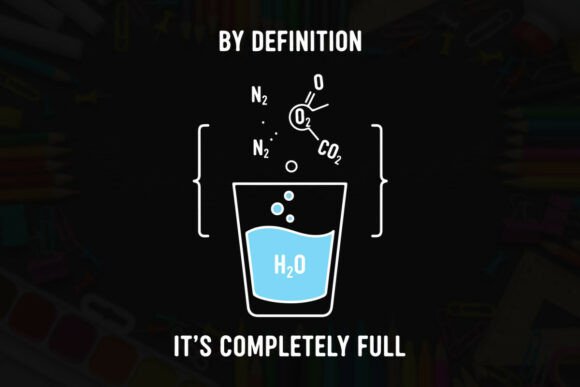
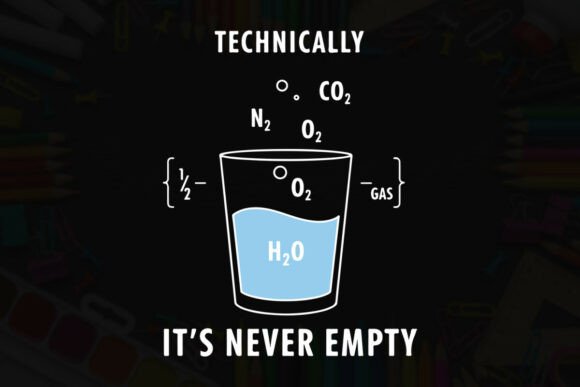
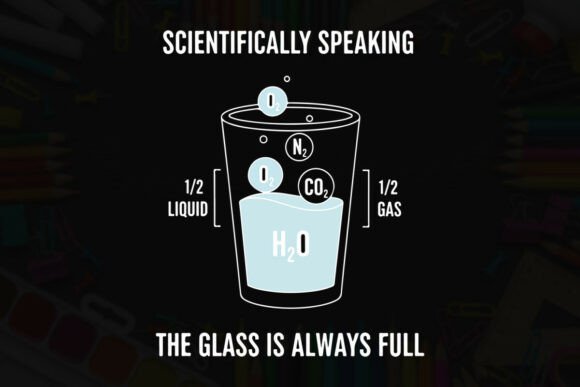
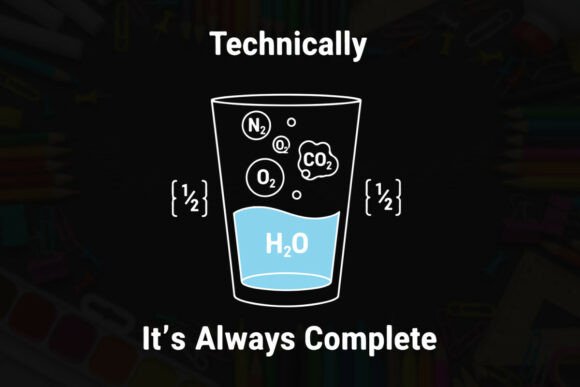
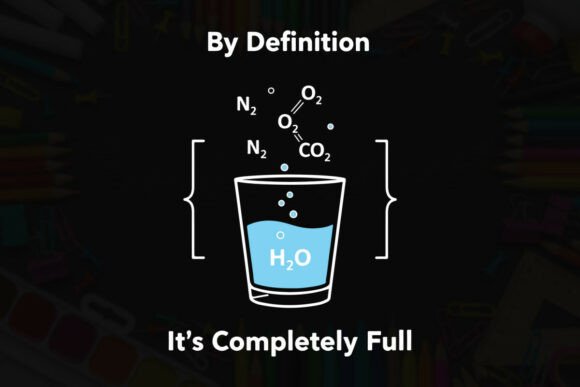
The first thing that strikes you about Definition Glass Full of Water Gases is its bold, conceptual nature. The title itself evokes a sense of scientific curiosity or perhaps a metaphorical statement about clarity and substance. In the context of design assets for apparel, this kind of thematic depth is rare. Most teacher-themed graphics rely on clichés like apples or rulers. This design, however, offers a more intellectual aesthetic. For an embroidery project, this means the visual weight is likely distributed in a way that demands attention. The layout appears structured, possibly mimicking a dictionary entry or a scientific diagram, which provides a strong horizontal anchor for stitching.
The mood created here is one of quiet dedication. It honors the passion and impact of educators without being overly loud. For a designer, this subtlety is a double-edged sword. It requires precise execution to ensure the message remains legible. If the lines are too thin or the stitch density is too low, the definition gets lost. If it is too dense, the fabric puckers. My initial assessment suggests this design works best when treated as a statement piece rather than a subtle accent.
Real-World Application: The Custom Sweatshirt Scenario
To truly understand the viability of Definition Glass Full of Water Gases, I imagined a specific client request. A local boutique owner wanted a line of premium sweatshirts for university faculty members. They needed something that felt academic yet modern. This design fit the brief perfectly. However, translating a graphic intended for printing into an embroidery file requires careful consideration of texture.
In this scenario, I would place the design on the left chest of a heavy-weight cotton blend sweatshirt. The thickness of the fabric supports the weight of the threads. Using a combination of satin stitch for the borders and fill stitch for the larger solid areas would create a tactile contrast that printing cannot achieve. The thread colors would need to be chosen carefully. A navy blue thread on a heather grey fabric would offer professional contrast, while a white thread on black would create a striking, high-visibility look. This is where the design shines: it transforms a standard garment into a personalized gift that feels bespoke and thoughtful.
Versatility Across Product Lines
Beyond sweatshirts, this design has potential across various custom apparel items. For an Etsy seller looking to expand their catalog, consider these applications:
- Tote Bag Design: Placed centrally on a canvas tote, the bold lines of the design can withstand the rougher texture of canvas fabric. It appeals to teachers who carry books and supplies daily.
- Embroidered Patch: If the design is scaled down, it could work as an iron-on or sew-on patch. This allows customers to add it to denim jackets or backpacks, increasing the versatility of the digital embroidery file.
- Aprons: For science teachers or home economics instructors, an apron with this design adds a touch of professional pride to their workspace.
- Pillow Covers: As a piece of home decor, it can serve as a conversation starter in a study or library, appealing to the academic demographic.
Technical Challenges and Fabric Considerations
While the aesthetic appeal is strong, there are technical hurdles. The description mentions "bold yet heartfelt," which implies a mix of thick and potentially fine details. When working with textured fabrics or stretchy fabric, such as jersey knits used in t-shirts, stability is key. Without a proper stabilizer, the design may distort during washing. I always recommend using a cut-away stabilizer for garments that will be laundered frequently, as it provides long-term support for the stitches.
Another concern is the hoop size. If the design includes small lettering or intricate corners, it may not scale down well for small hoops, such as those used on caps or baby items. For baby embroidery, simplicity is safer. Tiny details can become scratchy or unravel if the stitch count is too high for delicate skin. Therefore, I would advise against using this specific design on infant clothing unless it is significantly simplified or enlarged to reduce density per square inch.
Dark fabrics present another challenge. If the design relies on negative space or fine lines, visibility might be compromised on black or navy materials. In such cases, using a lighter thread color or adding a backing layer of white fabric beneath the stitches can help pop the design. Always test the design on scrap fabric first. Check the stitch density to ensure it does not perforate the material, which weakens the fabric over time.
Enhancing Brand Value and Customer Trust
For small shop products and craft business owners, the quality of the embroidery directly impacts brand perception. A well-executed Definition Glass Full of Water Gases design signals professionalism. It shows that the maker cares about detail and durability. This builds customer trust and encourages repeat business. When customers receive a handmade product that looks polished and feels substantial, they are more likely to leave positive reviews and recommend the seller to others.
Moreover, this design fits well into seasonal marketing. While it is evergreen for educators, it can be highlighted during holiday embroidery campaigns, such as Teacher Appreciation Week or back-to-school seasons. Creating printable mockup images that show the design on various products can help buyers visualize the final result, increasing conversion rates for digital sellers.
Practical Notes for Designers and Makers
Before committing to a large production run or listing this as a commercial item, consider these practical steps:
- Check Licensing: Confirm whether the graphics and underlying design allow for commercial use. Never assume; always verify the license terms provided with the digital embroidery file.
- Test Stitch Out: Run the design on the actual fabric you plan to use. Observe how the machine handles turns and color changes.
- Contrast Check: View the design in black and white to ensure the shapes are distinct. If the design relies solely on color for definition, it may fail in monochrome stitching.
- Hooping Strategy: Ensure your hoop is large enough to accommodate the full design without re-hooping, which can lead to misalignment.
- Thread Selection: Use high-quality polyester or rayon threads to prevent breakage and maintain sheen. Cheap thread can ruin the look of even the best design.
In conclusion, Definition Glass Full of Water Gases is a compelling addition to a designer’s library. It moves beyond generic tropes to offer a meaningful tribute to educators. With careful attention to fabric choice, stabilization, and stitch parameters, it can elevate a simple garment into a cherished keepsake. For the serious embroidery project manager or independent maker, it represents an opportunity to create something both visually striking and emotionally resonant.