Reviewing Thomas Edison Finding 10,000 Ways for Embroidery
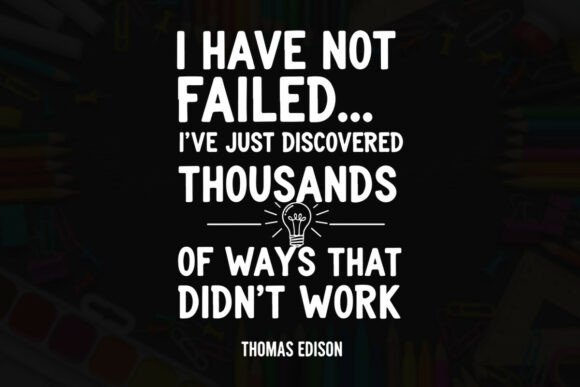
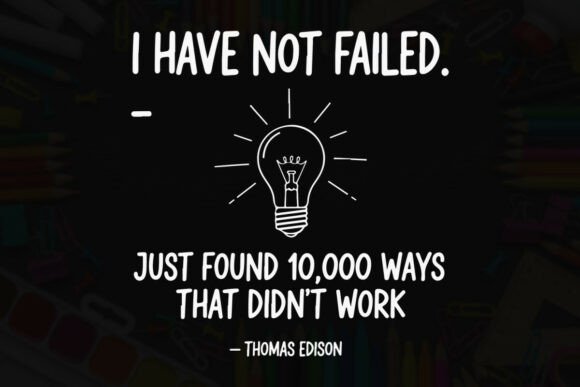
As a designer who has spent years digitizing patterns and testing them on everything from stiff denim to delicate baby knits, I approach every new machine embroidery design with a mix of curiosity and skepticism. We have all seen designs that look fantastic on a screen but turn into a tangled mess of thread breaks and puckering once they hit the fabric. Today, I am taking a close look at Thomas Edison Finding 10,000 Ways, a graphic that aims to celebrate the resilience and dedication of educators. This is not just another cute quote; it is a statement piece intended for those who inspire and shape future minds. Let us break down how this design performs in real-world applications, specifically for T-Shirt Designs and broader apparel projects.
First Impressions: Mood and Visual Personality
The first thing that strikes me about Thomas Edison Finding 10,000 Ways is its bold yet heartfelt tone. It does not rely on overly complex illustrations or fragile details that might get lost in translation. Instead, it leans into a strong typographic presence, likely paired with subtle graphical elements that evoke the spirit of invention and persistence. For an embroidery project, this is a promising start. Designs that are too busy often fail because the needle cannot replicate the fine lines of a digital print. This design feels grounded. It creates a mood of respect and admiration, making it ideal for personalized gifts for teachers, mentors, or anyone who values hard work.
From a layout perspective, the balance seems well-considered. When evaluating Graphics for embroidery, I look for clear separation between elements. If the text is too tight or the icons are too small, the satin stitch or fill stitch areas will merge, creating a blob rather than a legible message. This design appears to have enough breathing room, which is crucial for maintaining stitching clarity, especially when scaled down for smaller items like caps or pocket logos.
Real-World Application: The Teacher Appreciation Sweatshirt
To truly test the viability of this design, I imagined a specific scenario: creating a custom embroidered sweatshirt for a high school science teacher retiring after thirty years. This is a common request for Etsy sellers and craft business owners during the spring semester. The goal is to create a handmade product that feels premium and thoughtful, not mass-produced.
In this context, Thomas Edison Finding 10,000 Ways shines. Placed on the left chest or centered on the back of a heavyweight cotton blend sweatshirt, the design holds its own. The theme resonates deeply with educators who often feel their efforts go unnoticed. By using a classic font style with robust stitch density, the design withstands the stretch of the fabric without distorting. I would recommend using a contrasting thread colors palette here—perhaps a navy thread on a heather gray garment—to ensure the quote pops. This kind of custom apparel becomes a cherished keepsake, elevating the perceived value of your small shop product.
Versatility Across Product Lines
Beyond sweatshirts, this design is versatile enough for various embroidery project types. Consider an embroidered patch for a tote bag. Patches require dense stitching to prevent fraying, and this design’s solid structure makes it a candidate for a durable, washable accessory. It could also work beautifully on a canvas tote bag design, serving as a daily reminder of perseverance for students and teachers alike. For baby embroidery projects, such as a onesie for a teacher’s grandchild, you would need to scale it down significantly. Here, caution is key. Ensure that any small details are simplified or removed to prevent stiffness against sensitive skin.
For holiday embroidery gifts, such as a kitchen towel or apron for a favorite instructor, the design adds a touch of personality without being overly seasonal. This longevity means your customers can wear or use the item year-round, increasing customer satisfaction and trust in your brand.
Technical Considerations and Potential Pitfalls
While the design is strong, no digital embroidery file is universal. There are specific situations where you must proceed with care. First, consider the hoop size. If you are working with a small 4x4 hoop, you may need to crop or simplify the design to fit. Always check the dimensions provided in the file package. If the design includes tiny lettering, it may not stitch out clearly on textured fabrics like terry cloth or waffle knit. The loops in the fabric can swallow small stitches, making the text illegible.
Another critical factor is fabric texture and stability. On stretchy fabrics like jersey knits used in T-shirts, proper stabilization is non-negotiable. I always advise using a cut-away stabilizer for garments that will be washed frequently. Without it, even the best-digitized design can pucker, ruining the professional look of your finished product. For dark fabrics, consider using an underlay stitch or a lighter thread color to ensure visibility, but test this on scrap fabric first. A printable mockup can help visualize color combinations, but nothing beats a physical test stitch.
Be cautious with curved surfaces like caps. The curvature can distort the design if it is too wide. If you plan to use this on hats, ensure the design width fits within the standard cap frame limits and that the stitch direction follows the curve naturally to avoid gaps or pulls.
Enhancing Brand Value and Customer Trust
Using a well-executed design like Thomas Edison Finding 10,000 Ways can significantly boost your brand consistency. When customers receive a personalized gift that looks clean, professional, and meaningful, they are more likely to return and recommend your shop. This design supports that goal by offering a clear, respectful message that appeals to a broad audience. It avoids clichés and instead focuses on the core values of education: passion and impact.
For commercial embroidery projects, such as bulk orders for school staff or educational nonprofits, this design offers a unified look that fosters team spirit. It is important, however, to confirm licensing terms before selling finished items or digital products. Always verify whether the design assets allow for commercial use, as this varies by creator. Assuming proper licensing, this design can be a staple in your portfolio, appealing to creative entrepreneurs who value quality and meaning.
Practical Designer Notes for Success
Before you load this design into your machine, take these practical steps to ensure success:
- Test on Scrap Fabric: Always run a test stitch on the same type of fabric you plan to use for the final product. This reveals issues with tension, density, or color contrast.
- Check Thread Contrast: View your design in black and white to ensure the elements stand out regardless of color choice. High contrast improves readability.
- Review Stitch Density: If the design feels too stiff after stitching, consider reducing the density in your editing software, especially for lightweight fabrics.
- Confirm Hoop Size: Measure your hoop and the design dimensions to ensure a perfect fit without unnecessary re-hooping.
- Inspect Small Details: Zoom in on the digital file. If any lines are thinner than 0.5mm, they may not stitch well and might need adjustment.
- Use Proper Stabilizer: Match your stabilizer to your fabric. Cut-away for knits, tear-away for woven stable fabrics.
- Verify Licensing: Double-check the license agreement for the embroidery file to ensure compliance for commercial sales.
In conclusion, Thomas Edison Finding 10,000 Ways is a thoughtful addition to any designer’s library. It bridges the gap between aesthetic appeal and functional durability, making it suitable for a wide range of T-Shirt Designs and other textile projects. By understanding its strengths and respecting its technical requirements, you can create stunning, high-value items that resonate with your customers. Whether you are an experienced Etsy seller or a hobbyist making gifts for friends, this design offers a reliable canvas for showcasing your craftsmanship.