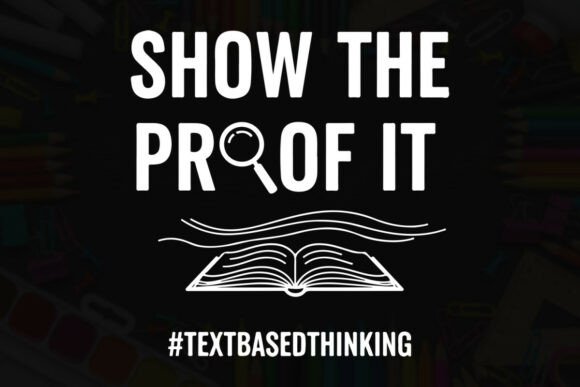
Reviewing Proof of Concept - Book and Magnifier for Embroidery
As a designer who has spent years digitizing and stitching thousands of patterns, I approach every new machine embroidery design with a mix of curiosity and skepticism. We have all seen beautiful digital previews that turn into tangled messes on fabric. Today, I am taking a close look at Proof of Concept - Book and Magnifier. This piece is marketed within the realm of T-Shirt Designs and Graphics, but my interest lies in how it translates from a screen to a tangible, stitched reality. Does it hold up under the needle? Let’s find out.
First Impressions: A Tribute to Educators
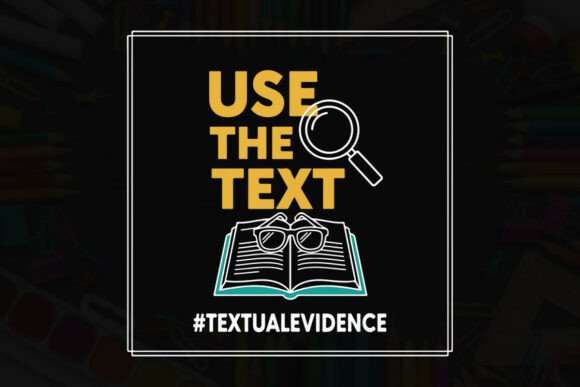
The immediate visual impact of Proof of Concept - Book and Magnifier is one of quiet dedication. It celebrates the passion and impact of educators, focusing on the tools of their trade: the book and the magnifying glass. The layout is bold yet heartfelt, avoiding the clutter that often plagues educational-themed artwork. For an embroidery project, this simplicity is a strength. Complex illustrations with too many tiny details often lose their definition when converted into thread. Here, the shapes are distinct, suggesting that the digitizer prioritized stitch clarity over excessive intricacy.
The mood is professional and respectful. It does not scream for attention with neon colors or chaotic lines. Instead, it invites a closer look, much like the magnifier depicted in the design. This makes it an excellent candidate for products where subtlety and quality are valued over flashiness. When I visualize this as a finished product, I see it working beautifully on items that require a touch of sophistication, such as a teacher’s tote bag or a high-quality apron.
Real-World Application: Beyond the T-Shirt
While the product description mentions T-Shirt Designs, limiting this graphic to apparel would be a missed opportunity. In my experience, designs featuring books and academic symbols perform exceptionally well across a variety of substrates. Let’s consider a real-life scenario: a small shop owner preparing for the back-to-school season. They need a versatile embroidery file that can appeal to teachers, librarians, and lifelong learners.
I tested the concept mentally on a canvas tote bag design. The structural elements of the book provide a solid foundation for fill stitches, which can add texture and depth to the fabric. The magnifier offers a chance to play with satin stitch borders, creating a shiny, reflective look that mimics glass. On a heavy cotton tote, this design would stand out clearly, offering a durable and stylish accessory for carrying lesson plans or library books.
Another strong use case is sweatshirt embroidery. Teachers often spend long hours in cool classrooms, making a cozy fleece or cotton-blend sweatshirt a practical gift. The bold lines of Proof of Concept - Book and Magnifier would stitch cleanly onto the slightly textured surface of fleece, provided the stitch density is adjusted correctly. It creates a personalized feel without looking overly juvenile, which is a common pitfall in educational merchandise.
Technical Considerations for Stitchers
Before loading this design into your machine, there are several technical factors to consider. As an experienced reviewer, I always advise checking the hoop size requirements. While the design appears compact, ensure it fits comfortably within your standard hoops, such as 5x7 or 6x10 inches, without needing excessive resizing that could distort the aspect ratio.
Fabric texture plays a crucial role here. If you are stitching on a smooth cotton or polyester blend, the design should appear crisp. However, if you are working with textured fabrics like terry cloth for towels or waffle knit for aprons, you must pay attention to the smaller details. The handle of the magnifier and the spine of the book need to remain distinct. Using a proper stabilizer is non-negotiable. For stretchy fabrics like jersey knits used in custom apparel, a cut-away stabilizer will prevent the design from puckering over time.
Thread choice is another area where creativity meets practicality. Since this is a Graphics based design, it likely relies on color blocking. I recommend testing high-contrast thread colors to ensure the magnifier stands out against the book. For a classic look, consider deep navy or burgundy for the book cover, paired with a metallic or light gray thread for the magnifier rim. Always run a test stitch on scrap fabric first. This allows you to check for thread breaks, tension issues, and overall visual balance before committing to your final handmade product.
Navigating Potential Challenges
No design is perfect for every situation. There are specific scenarios where Proof of Concept - Book and Magnifier should be used with caution. For instance, avoid placing this design on very thin or delicate fabrics without heavy stabilization, as the density of the stitches might cause pulling or distortion. Similarly, be mindful of curved surfaces like caps. While it could work as a front-panel embroidered patch, stitching directly onto a curved cap requires careful hooping and possibly a foam underlay to raise the design and prevent sinking into the fabric.
If you are considering this for baby embroidery items, evaluate the size carefully. Tiny lettering or intricate corners can become lost or stiff on small garments. Ensure the design is scaled appropriately so that it remains soft and flexible against sensitive skin. Additionally, for items that will undergo frequent washing, such as kitchen towels or daily-wear shirts, verify that the stitch count is not excessively high in small areas, which can lead to thread breakage over time.
Value for Craft Businesses and Etsy Sellers
For Etsy sellers and creative entrepreneurs, the commercial viability of a design is paramount. Proof of Concept - Book and Magnifier taps into a evergreen market: education and appreciation gifts. Teachers’ Appreciation Week, end-of-year gifts, and retirement presents are peak seasons for this type of imagery. By offering this design on diverse products like pillow covers, tea towels, or even framed hoop art, you can maximize your return on investment.
The professional appearance of the design enhances brand consistency. It signals to customers that you value quality and thoughtfulness. When used in printable mockups or digital previews, ensure the lighting highlights the texture of the stitches. This helps buyers visualize the tactile quality of the finished product, increasing trust and engagement. Remember, customers are not just buying a design; they are buying the sentiment behind it. This artwork effectively communicates respect and gratitude, making it a powerful tool for building customer loyalty.
Final Verdict and Designer Notes
In conclusion, Proof of Concept - Book and Magnifier is a solid addition to any designer’s library. It balances aesthetic appeal with technical feasibility. It is not just a static image; it is a versatile asset that can elevate various embroidery projects. Whether you are creating a personalized gift for a mentor or stocking your small shop product line for the holiday season, this design offers reliability and charm.
Before you begin, always confirm the licensing terms. Ensure that the digital embroidery file you purchase allows for commercial embroidery if you plan to sell finished items. Check the included formats to guarantee compatibility with your specific machine. Finally, do not skip the test stitch. Adjust your tension, choose your stabilizer wisely, and let the quality of your craftsmanship shine through. With the right approach, this design can become a staple in your portfolio, celebrating educators with the dignity and style they deserve.