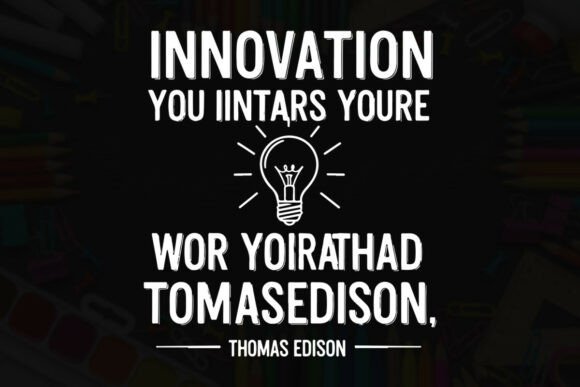
Reviewing Thomas Edison’s Perspective Innovation
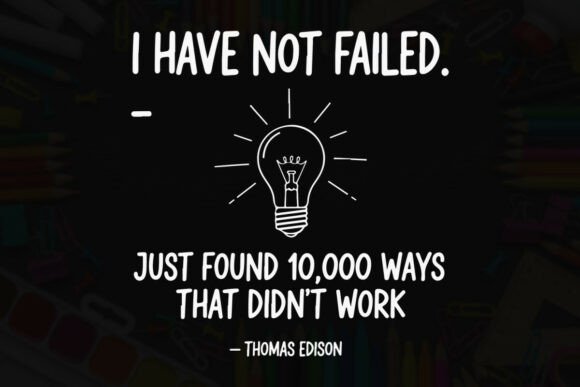
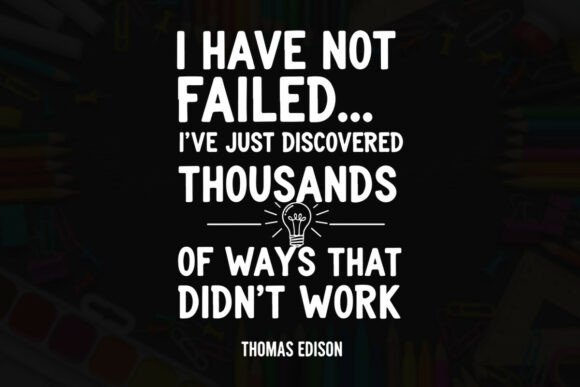
As a designer who has spent countless hours digitizing and stitching, I approach every new machine embroidery design with a mix of curiosity and caution. We have all been there: you download a file that looks stunning on the screen, only to find it puckers the fabric or loses its charm once the needle hits the cloth. That is why I took a close look at Thomas Edison s Perspective Innovation. This isn’t just another graphic; it is a piece that carries weight, specifically tailored for those who value education and history. In this review, I am breaking down how this design performs in real-world scenarios, from small home studios to commercial craft business operations.
First Impressions and Visual Personality
The first thing that strikes me about Thomas Edison s Perspective Innovation is its bold yet heartfelt aesthetic. It does not scream for attention with chaotic lines; instead, it invites the viewer to appreciate the dedication of educators. The layout feels balanced, combining strong typographic elements with illustrative details that honor teachers who inspire and shape future minds. For an embroidery project, this balance is crucial. If a design is too dense, it becomes stiff; if it is too sparse, it lacks impact. This design sits comfortably in the middle, offering enough detail to be interesting without overwhelming the fabric.
The mood it creates is one of respect and nostalgia. It feels appropriate for a wide range of applications, from professional apparel to sentimental gifts. When I visualize this as part of T-Shirt Designs or other Graphics, I see a versatility that many niche designs lack. It is not overly childish, nor is it strictly corporate. This makes it a valuable asset for anyone looking to create products that resonate on a personal level.
Real-World Application: The Custom Tote Bag Test
To truly understand the value of an embroidery file, you have to imagine it on a physical product. Let’s consider a common scenario: preparing a custom embroidered tote bag for a teacher appreciation event. Canvas is a sturdy fabric, but it can be unforgiving if the stitch density is off. I imagined placing Thomas Edison s Perspective Innovation on a natural cotton canvas bag. The bold lines of the design would likely translate well, providing a crisp contrast against the textured weave.
In this context, the design serves as more than just decoration; it becomes a statement piece. A teacher carrying this bag would feel recognized. For an Etsy seller or a small shop product creator, this emotional connection is what drives sales. It transforms a simple tote into a personalized gift that carries meaning. However, success here depends on execution. You must ensure that the stitch density is adjusted for canvas. Too many stitches, and the bag will pucker; too few, and the design will look flat. This is where practical judgment comes in.
Performance Across Different Products
Beyond tote bags, how does this design hold up on other items? I evaluated its potential across several categories:
- Sweatshirt Embroidery: On fleece or cotton blends, the design needs to breathe. A fill stitch background might be too heavy for a soft sweatshirt. I would recommend using satin stitches for the borders and keeping the internal details open to maintain the garment's drape.
- Baby Embroidery: While the theme is educational, the scale matters. For baby clothes, you would need to resize the design significantly. Ensure that tiny details do not become lost or turn into dense clumps of thread that could irritate sensitive skin.
- Embroidered Patch: This is perhaps one of the strongest use cases. Patches allow for higher stitch density without worrying about fabric distortion. Thomas Edison s Perspective Innovation would look fantastic as a standalone patch, which can then be ironed or sewn onto jackets, bags, or hats.
- Holiday Embroidery: For end-of-year gifts, this design fits perfectly. It is not tied to a specific holiday like Christmas, making it versatile for graduation seasons or Teacher Appreciation Week in May.
Technical Considerations and Potential Pitfalls
No design is perfect for every situation. There are areas where you need to exercise caution with Thomas Edison s Perspective Innovation. First, consider the hoop size. If you are working with a small 4x4 hoop, you may need to crop or simplify the design. Complex layouts often suffer when compressed into small spaces. Always check the dimensions before loading the file.
Second, think about fabric texture and color. On dark fabrics, you must pay close attention to thread colors. A lack of contrast can make the design disappear. I always recommend creating a printable mockup or testing the design in black and white to verify readability. If the design relies on subtle shading, it might not translate well on textured fabrics like terry cloth or heavy denim. In such cases, a simpler underlay or a change in stitch type from satin stitch to running stitch for fine details might be necessary.
Additionally, be wary of curved surfaces like caps. Embroidering on a cap requires a different approach than flat embroidery. The design must be centered perfectly, and the stabilizer must be robust to prevent shifting. If the design has large solid areas, it might pull on the cap's fabric, causing wrinkles. Testing on scrap fabric is non-negotiable here.
Enhancing Brand Value and Customer Trust
For commercial embroidery professionals and digital embroidery file sellers, the quality of your output directly impacts your brand. Using a well-balanced design like Thomas Edison s Perspective Innovation can enhance your perceived professionalism. When customers see clean stitching, proper tension, and thoughtful placement, they trust your craftsmanship. This trust leads to repeat business and positive reviews.
Moreover, this design supports brand consistency for shops focused on educational or inspirational themes. It aligns well with other design assets that celebrate learning and innovation. By offering high-quality finished products featuring this design, you differentiate yourself from competitors who might use low-resolution or poorly digitized graphics.
Practical Notes for Designers and Makers
Before you start stitching, here are my top recommendations for getting the best results:
- Test on Scrap Fabric: Never skip this step. Use the same fabric and stabilizer you plan to use for the final product. This allows you to check for puckering, thread breaks, or registration issues.
- Check Stabilizer Choice: For stretchy fabrics like t-shirts, use a cut-away stabilizer. For woven fabrics like tote bags, a tear-away might suffice, but hooping firmly is key.
- Review Stitch Density: If the design feels too stiff after stitching, consider reducing the density in your editing software. This is especially important for garments that need to remain soft and flexible.
- Verify Licensing: Always confirm the license terms before selling finished items. Ensure that the embroidery project complies with the creator's rules regarding commercial use.
- Inspect Small Details: Zoom in on the digital file. Are there tiny jumps or unnecessary trims? Cleaning up the file before stitching can save time and improve the finish.
In conclusion, Thomas Edison s Perspective Innovation is a strong contender for your next project. It offers a meaningful theme, a balanced layout, and versatile application potential. Whether you are creating a custom apparel line, a unique holiday gift, or expanding your Etsy listings, this design provides a solid foundation. Just remember that the final result depends on your technical skill and attention to detail. Treat the design with care, respect the fabric, and you will create a finished product that truly honors the spirit of innovation and education.