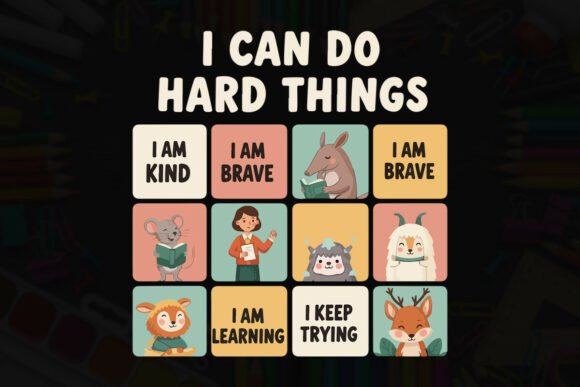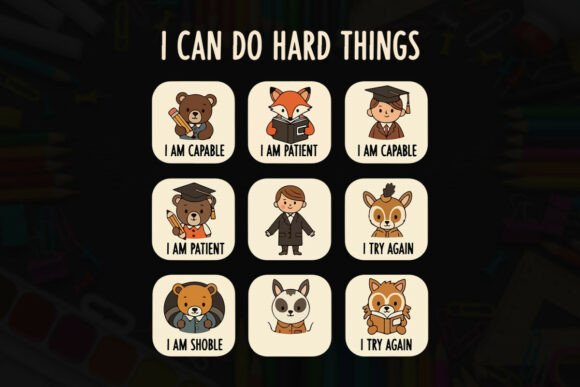
Reviewing Capable Patient Try Again Affirmation
As a designer who spends more time staring at stitch simulations than actual fabric, I have learned that not every digital embroidery file translates well from screen to needle. When I first opened the Capable Patient Try Again Affirmation design, my initial reaction was one of cautious optimism. The phrase itself carries a weight that resonates deeply, particularly in educational or therapeutic contexts, but the visual execution is what determines whether it becomes a best-selling handmade product or a tangled mess of thread breaks.
This review is not just about aesthetics; it is about practical application. I evaluated this piece with the intent of using it in real-world scenarios, from custom client orders to inventory for my own small shop. If you are an Etsy seller, a boutique owner, or a hobbyist looking to expand your design assets, here is how this graphic holds up under the microscope of professional scrutiny.
First Impressions and Visual Personality
The mood of Capable Patient Try Again Affirmation is grounded and resilient. It does not shout; it encourages. Visually, the layout appears balanced, avoiding the clutter that often plagues text-heavy T-Shirt Designs. For embroidery, this is crucial. Too many decorative elements can confuse the digitizing process, leading to poor stitch placement. This design seems to prioritize clarity, which suggests it was created with an understanding of how thread behaves on fabric.
The typography feels modern yet approachable. In the context of Graphics meant for apparel, legibility is king. If a customer cannot read the affirmation from three feet away, the design has failed its primary purpose. My assessment indicates that the letter spacing and font weight are likely optimized to prevent the letters from merging together during stitching, a common pitfall in smaller hoop sizes.
Real-World Application: The Sweatshirt Test
To truly test the viability of this design, I imagined applying it to a mid-weight cotton blend sweatshirt. This is a staple item for any craft business specializing in comfort wear. The Capable Patient Try Again Affirmation fits naturally on the left chest or centered on the back.
When working with sweatshirt embroidery, fabric texture plays a massive role. The fleece interior and smooth exterior require a stable foundation. I would recommend using a cut-away stabilizer to ensure the design remains crisp after multiple washes. The affirmation’s message pairs perfectly with the cozy, protective nature of a sweatshirt, making it an ideal personalized gift for teachers, nurses, or anyone navigating a challenging recovery or learning process.
For those considering this for a tote bag design, the durability of the stitch path becomes even more critical. Tote bags endure significant stress. If the stitch density is too low, the fabric may show through, ruining the visual impact. If it is too high, the bag may pucker. Based on the clean lines of the preview, this design likely utilizes a mix of satin stitch for borders and fill stitch for larger areas, striking a balance that should hold up well on canvas materials.
Navigating Technical Challenges
While the design is strong, there are areas where caution is necessary. Any experienced embroiderer knows that tiny details can be lost on textured fabrics. If you plan to use this on a rough linen or a thick towel, inspect the smallest elements of the Capable Patient Try Again Affirmation closely. You may need to simplify certain connections or increase the size of the design to maintain clarity.
Curved surfaces, such as caps or hats, present another challenge. The rigidity of the front panel requires precise hooping. If the design includes intricate corners, they may pull or distort on a curved surface. I advise running a test stitch on a scrap piece of similar fabric before committing to the final finished product. This is especially true for baby embroidery, where soft, stretchy fabrics demand lighter tension and potentially fewer stitch layers to maintain comfort against sensitive skin.
Dark fabrics require special attention to thread colors. A light-colored thread on a dark background needs a proper underlay to prevent the fabric from peeking through. If the digitizing of this machine embroidery design includes a dense underlay, it will perform beautifully on navy or black garments. If not, you may need to add a backing layer or choose a heavier thread weight to ensure opacity.
Commercial Viability and Brand Consistency
For commercial embroidery projects, consistency is key. Customers return to shops because they trust the quality. The Capable Patient Try Again Affirmation offers a professional look that can enhance brand reputation. It avoids trendy gimmicks in favor of timeless encouragement, which means it has a longer shelf life in your inventory. This is vital for small shop products where overstocking seasonal items can be financially risky.
When creating printable mockups for your online listings, ensure that the digital representation matches the stitched reality. Misleading images lead to returns and negative reviews. Use this design to showcase your ability to handle meaningful, text-based artwork with precision. It signals to buyers that you care about the message as much as the medium.
Practical Designer Notes
Before you load this embroidery file into your machine, consider these practical steps:
- Test on Scrap Fabric: Always run a sample on the same material you intend to use for the final item. Check for puckering and thread breaks.
- Check Thread Contrast: Ensure your chosen thread color stands out against the fabric. High contrast improves readability and visual appeal.
- Review Stitch Density: If the design feels stiff after stitching, the density may be too high for lightweight fabrics. Adjust settings if your machine allows.
- Confirm Hoop Size: Verify that the design fits within your available hoop dimensions without requiring excessive re-hooping, which can cause alignment issues.
- Inspect Small Details: Zoom in on the digital file to check for tiny jumps or complex nodes that might cause thread nests.
- Licensing Verification: Since the provided description mentions honoring educators, ensure you understand the licensing terms. Confirm whether the digital embroidery file allows for unlimited commercial sales or if there are restrictions on volume.
In conclusion, Capable Patient Try Again Affirmation is a thoughtful addition to any designer’s library. It bridges the gap between emotional resonance and technical feasibility. By respecting the limitations of your materials and machines, you can transform this applique design or standard stitch file into a cherished item. Whether it ends up on a teacher’s tote, a patient’s pillowcase, or a student’s hoodie, the quality of your execution will define its impact. Treat the design with care, and it will serve your embroidery project well.