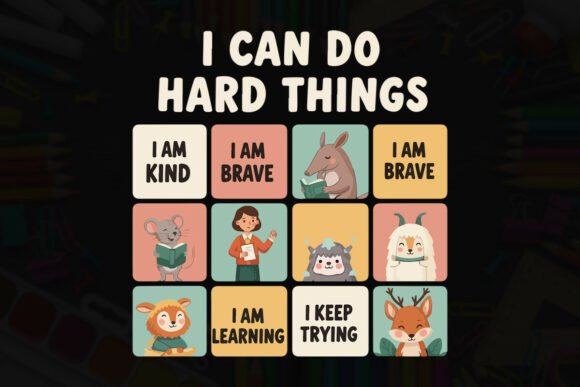
Reviewing Kind Brave Learning Affirmation Art for Embroidery
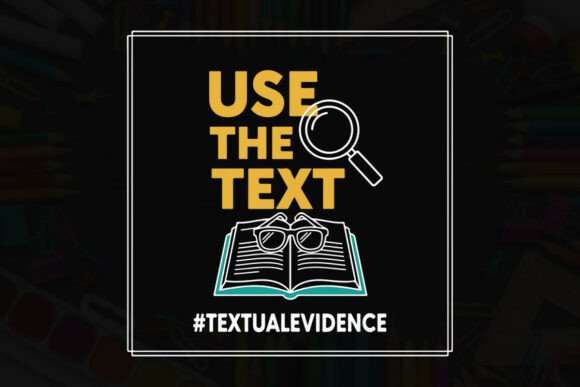
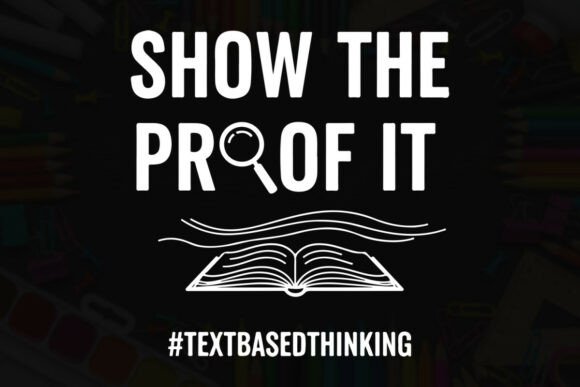
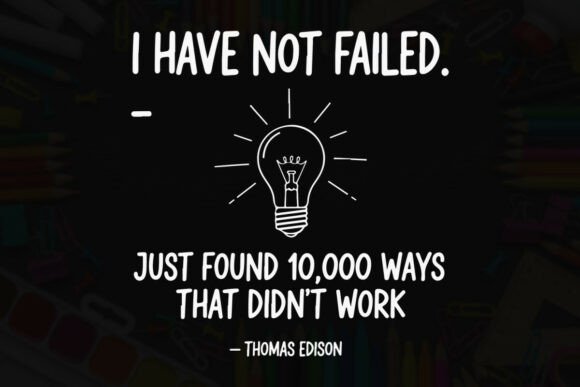
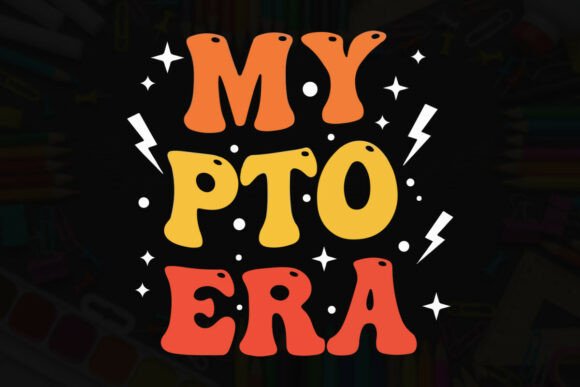
As a designer who spends half my life digitizing and the other half stitching, I look at every new machine embroidery design with a critical eye. It is not just about whether the image looks cute on a screen; it is about how those lines translate into thread, tension, and texture on actual fabric. Recently, I evaluated Kind Brave Learning Affirmation Art, a piece categorized under T-Shirt Designs and Graphics, to see if it holds up in a real-world production environment. This is not just a digital asset; it is a potential centerpiece for a handmade product that needs to withstand washing, wearing, and the scrutiny of customers who value quality.
First Impressions: Mood and Visual Personality
The first thing that strikes you about Kind Brave Learning Affirmation Art is its emotional resonance. The title itself suggests a theme of empowerment and gentle strength, which is perfectly suited for the education sector. Visually, the layout balances boldness with heart. For an embroidery project, this balance is crucial. If a design is too busy, it becomes a nightmare of thread breaks and puckering. If it is too simple, it lacks the perceived value needed for a premium personalized gift.
This artwork feels intentional. The shapes are distinct, suggesting that the transition from vector graphic to stitch file should be straightforward, provided the digitizer respects the negative space. The mood is professional yet warm, making it an ideal candidate for items that need to convey trust and care. When I imagine this stitched out, I do not see it as mere decoration; I see it as a statement piece for a teacher’s lounge, a classroom door, or a cherished keepsake for a retiring educator.
Real-World Application: From Screen to Stitch
To truly test the viability of this design, I mentally placed it into several common scenarios faced by Etsy sellers and craft business owners. Let us consider a custom embroidered tote bag. Tote bags are typically made of canvas or heavy cotton, fabrics that can handle a moderate stitch density. The bold nature of Kind Brave Learning Affirmation Art would pop beautifully against a natural beige or deep navy canvas. The affirmations within the art would serve as a daily reminder of purpose for the carrier, elevating a simple bag into a meaningful accessory.
Another strong use case is sweatshirt embroidery. Here, the texture of the fleece or French terry fabric plays a significant role. A design with clear, open areas works best here to avoid sinking into the pile. If this graphic relies heavily on fine details, it might get lost. However, given its description as "bold yet heartfelt," I anticipate it uses thicker lines and solid shapes that sit well on top of plush fabrics. This makes it a strong contender for custom apparel lines targeting school staff or educational nonprofits.
For those creating embroidered patches, this design offers excellent versatility. Patches require clean edges and often utilize a satin stitch border to frame the artwork. The contained nature of affirmation art usually lends itself well to circular or rectangular patch formats. A well-executed patch can be sold separately or applied to jackets, hats, and bags, expanding the revenue potential for a small shop product.
Navigating Technical Challenges
While the aesthetic appeal is high, practical application requires caution. Not every fabric behaves the same way. If you are planning to stitch Kind Brave Learning Affirmation Art onto thin or stretchy fabric, such as a lightweight tri-blend tee, you must be vigilant. High stitch density in any part of the design could cause puckering. In these cases, using a high-quality cut-away stabilizer is non-negotiable. I always recommend testing the embroidery file on a scrap piece of the exact fabric you intend to use for the final finished product.
Curved surfaces present another challenge. If you are applying this to a cap, the curvature can distort the text or shapes within the affirmation art. You may need to adjust the pull compensation in your digitizing software or choose a smaller hoop size to keep the design centered and stable. Additionally, dark fabrics require careful consideration of thread colors. A light-colored thread on a dark background provides contrast, but if the design has intricate internal details, ensure there is enough spacing between stitches to prevent the background fabric from showing through unintentionally.
Small hoop sizes, such as 4x4 inches, might constrain the design if it is originally sized for larger garments. Always check the dimensions provided in the digital embroidery file package. If the design is too large for your intended item, scaling it down can reduce stitch count but may also compromise the clarity of small text elements. Verify that the lettering remains legible at the reduced size.
Enhancing Brand Value and Customer Trust
For commercial embroidery professionals, the choice of design directly impacts brand perception. Using a well-balanced piece like Kind Brave Learning Affirmation Art signals attention to detail. Customers buying holiday embroidery gifts or end-of-year teacher appreciation items are looking for something that feels special and durable. A sloppy stitch-out ruins the sentiment, but a crisp, clean execution builds trust.
This design supports brand consistency for shops focused on educational or inspirational themes. It fits seamlessly into a collection that might include other affirmation-based design assets. When you present a printable mockup of this design on a high-quality garment, it helps buyers visualize the final result, increasing conversion rates. The professionalism of the artwork reflects the professionalism of the maker.
Practical Notes for the Embroidery Designer
Before you commit to producing a batch of items, take these steps to ensure success:
- Test on Scrap Fabric: Always run a test stitch-out on the same material and layering you plan to use for the final product. This reveals issues with tension and density before they ruin expensive garments.
- Check Thread Contrast: View the design in black and white to ensure the shapes are distinct without color reliance. This helps in selecting thread colors that provide adequate contrast on various fabric backgrounds.
- Inspect Small Details: Zoom in on the embroidery file to check for tiny running stitches or dense clusters that might cause thread breaks. Simplify if necessary.
- Confirm Licensing: Ensure you understand the usage rights. Can you sell the finished handmade product? Can you use it for client work? Clarify this before listing items on Etsy or in your boutique.
- Use Proper Stabilizer: Match the stabilizer to the fabric. Woven stabilizers for wovens, cut-away for knits, and tear-away for stable, non-stretch fabrics.
In conclusion, Kind Brave Learning Affirmation Art is more than just a graphic; it is a versatile tool for creators. Whether you are making a baby embroidery item for a teacher’s child, a robust tote bag design for book fairs, or a sophisticated applique design for a jacket, this artwork offers a solid foundation. By respecting the technical requirements of embroidery and understanding the emotional weight of the message, you can create products that resonate deeply with your customers. Keep your needles sharp, your tension balanced, and your creative vision clear.